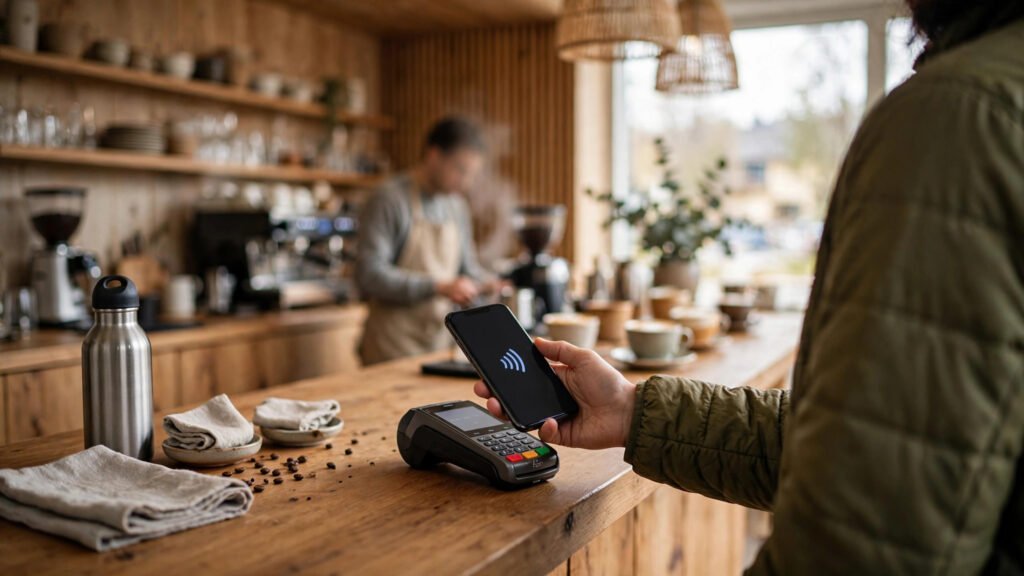
Explained: Why Do Norwegians Pay With Vipps Instead of Cash and Cards?
Why do Norwegians pay with Vipps instead of cash and cards? How phone-number payments and Norway’s low cash use made Vipps an everyday habit.
Why do Norwegians pay with Vipps instead of cash and cards? How phone-number payments and Norway’s low cash use made Vipps an everyday habit.
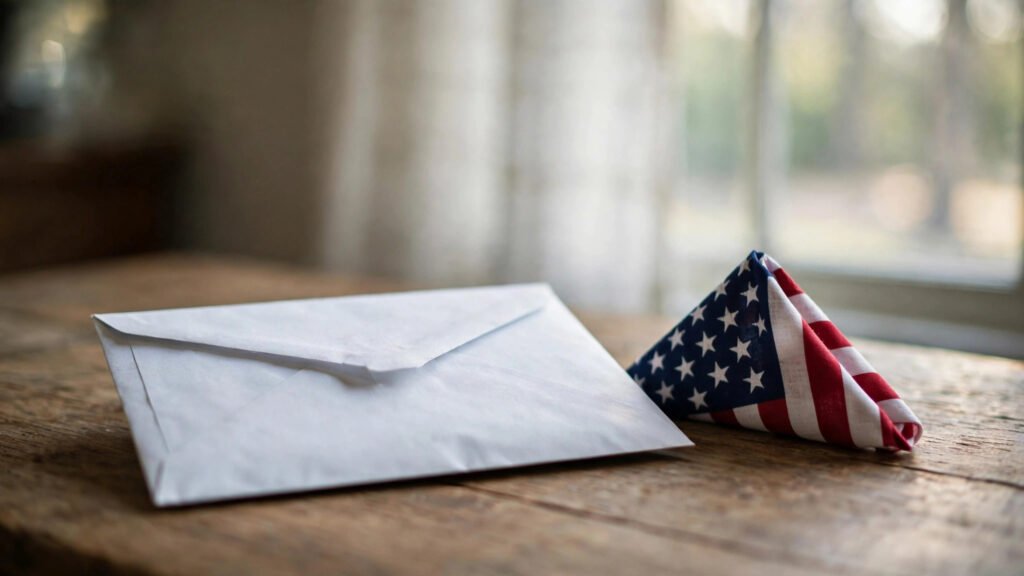
The Vatican confirmed on October 30, 2026, that Pope Leo XIV has submitted a mail-in ballot for the US midterm elections, making him the first sitting pontiff to vote in a US general election.

Learn how to protect your hearing with headphones through safe volume habits, listening breaks, and simple settings that keep everyday listening comfortable.

Pix lets Brazilians send money instantly, any hour, straight from a phone — no cash, no card machine, no waiting. Here is how Brazil’s instant payment system works and why it caught on so fast.

Tens of thousands of Italians protested in more than 50 cities on October 30, 2026, against soaring living costs and struggling public services, in the latest wave of European cost-of-living demonstrations.

More than $2 trillion in market value is set to be wiped from the Nasdaq 100 in October as AI spending fears deepen, with Alphabet’s record one-day fall leading the slide.

Learn how to save for a house deposit while renting with a realistic plan: set a clear target, automate savings, and trim costs without giving up comfort.
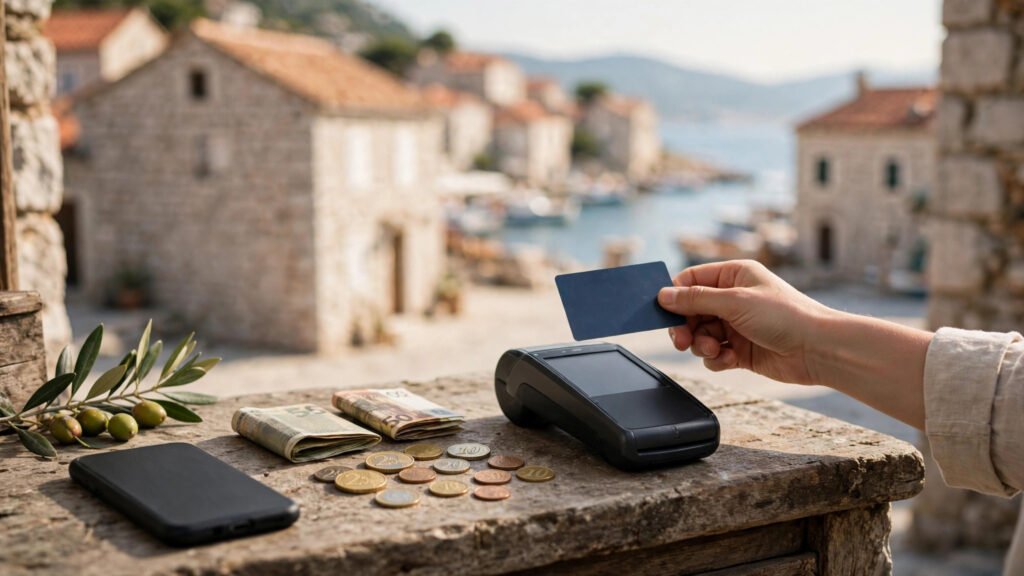
Why cash still rules small shops, markets and rural towns in euro-using Montenegro, even as cards and phone payments spread in its cities and resorts.
From November 1, direct mutual fund plans become the default on fund houses’ own digital platforms, and investors choosing regular plans must be told about their higher expense ratio, SEBI chairman Tuhin Kanta Pandey has announced.
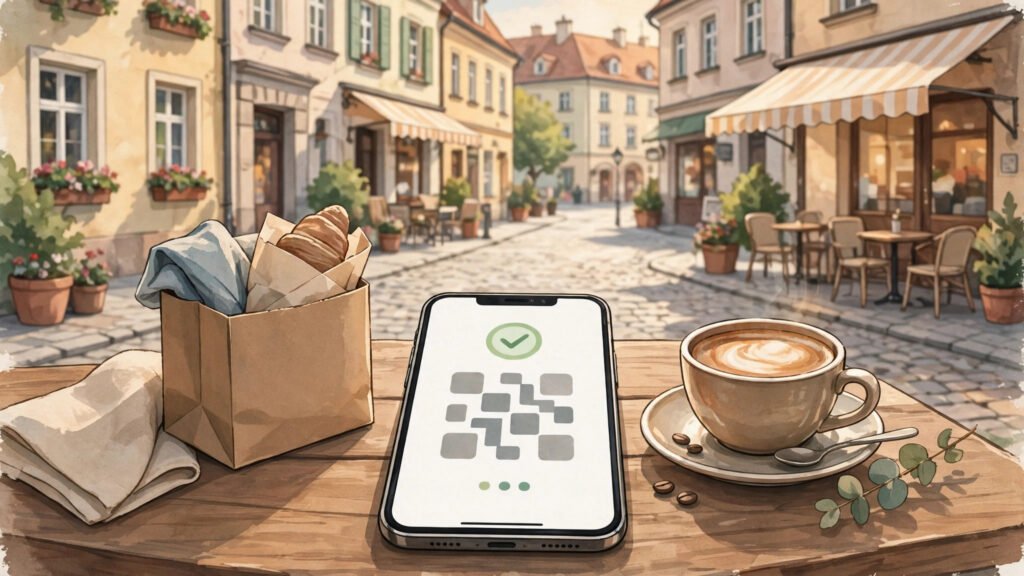
Why do Poles pay with BLIK instead of cash and cards? BLIK lives inside Polish banking apps, letting users pay with short-lived codes, phone numbers, and QR codes.