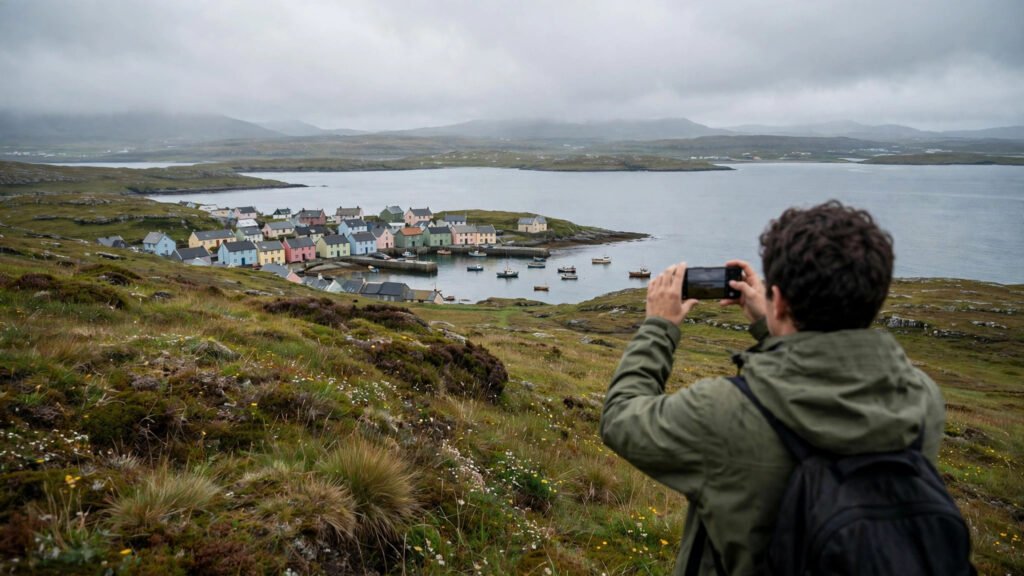
The Falkland Islands sit far out in the South Atlantic, a long way from the nearest mainland city. Life there is spread across two main islands and a scatter of smaller ones, with Stanley as the capital and most people living in or around it. In a place this remote, the mobile phone might seem like an unlikely hero, especially when internet connections are limited and can be slow or patchy. Yet for Falkland Islanders, the phone is still one of the most important tools of daily life, and the reasons have less to do with fast streaming than with distance, weather and staying in touch.
Understanding the phone habit in the Falklands means understanding the geography first. Settlements are far apart, roads outside Stanley are mostly gravel tracks, and travel between islands usually means a small aircraft or a boat. A trip that would be routine elsewhere takes planning here, and plans can change with the wind. In that setting, a phone call or a short message can save a wasted journey, confirm a flight, or let family know someone arrived safely.
Key Takeaways
- The Falklands are remote and spread out, so phones bridge long distances between Stanley, camp settlements and the smaller islands.
- Limited internet does not remove the phone’s value: calls, messages, weather checks and travel updates still work and still matter.
- Islanders plan around the connection they have, checking while connected, downloading in advance and keeping phones charged and protected.
Why Distance Makes the Phone Essential
Most Falkland Islanders live in Stanley, but many others live in camp — the local word for everywhere outside the capital — on farms and in small settlements. Visiting a neighbour can mean a long drive over rough tracks, and reaching another island can mean waiting for a flight or a ferry. There is no quick drive to the next town for a forgotten item or a short visit.
The phone fills that gap. A farmer can call ahead before setting out, a family can confirm plans before a long drive, and a small business can answer a customer without either side travelling. For people in camp, a call can also be a check-in: a voice at the other end of the line confirms that all is well after a stormy night or a long day outdoors. In a community where everyone knows the distances involved, that reassurance matters.
The same logic applies to links beyond the islands. Many Falkland Islanders have family, friends or former schoolmates in the United Kingdom or elsewhere, and some travel there for study, medical care or work. Calls, messages and photos keep those ties alive between visits that may be months apart. A phone does not shorten the ocean crossing, but it stops the distance from turning into silence.
Limited Internet, But Still a Working Phone
Limited internet changes how the phone is used, rather than whether it is used. When a connection is slow or shared, people tend to favour the things that work reliably: a voice call, a short text message, a weather forecast checked at the right moment, or a message sent when the signal is available. Big downloads and long video calls may wait for a better moment, while the everyday jobs of the phone go on.
That habit is familiar in other remote island communities too. In Greenland, where settlements are separated by ice and sea, the phone is also the everyday link between places that cannot be reached by road. The landscapes are very different, but the pattern is the same: when distance is the daily problem, even a basic connection is worth a great deal.
Islanders also learn to plan around the connection. Messages are written and sent when the signal is there, useful information is saved for later, and the phone is kept charged because a flat battery in a remote place is more than an inconvenience. It is a practical skill, learned the same way as reading the weather or judging a track after rain.
In a community where everyone knows the distances involved, that reassurance matters.
Weather, Travel and the Daily Check
Weather in the South Atlantic can change quickly, and it decides a great deal in the Falklands. Wind can delay a flight, rough seas can change a boat plan, and a calm morning can turn wet and cold by afternoon. Before travelling, many islanders check the forecast on their phones, just as residents of other windy islands do. On the Isle of Man, where sea crossings set the day, the same check-first habit shapes departures, and in the Falklands the stakes are similar: a short check can prevent a long, wasted trip.
Flights between islands are a good example. A traveller who checks before leaving home knows whether to set out, wait, or rearrange the day. A host waiting for visitors knows whether to expect them on time. A worker heading to a remote site knows whether conditions suit the journey. None of these checks is dramatic on its own, but together they make a scattered life run more smoothly.
Phones also help with the practical side of island work. Sheep farming remains central to life in camp, and farmers, contractors and suppliers coordinate by phone: a delivery, a repair, a vet visit, or a change of plan. Small businesses in Stanley take bookings, answer questions and arrange orders the same way. The phone is less a gadget here than a working tool, much like a radio once was — the thing that carries the plan from one place to another.
Community Life on a Small Island
The Falklands have a small, close-knit population, and phones fit that community life. School messages, sports fixtures, community events and local announcements spread quickly by phone, so checking messages before setting out has become part of the routine. A parent learns about a change to a school activity, a neighbour shares news of a delayed flight, and a volunteer group organises help without everyone having to meet first.
That closeness also explains why the phone matters socially. In a small place, people look out for one another, and a quick message is often how that care is expressed: checking on an older neighbour, confirming a lift, or sharing a photo from a community event. The phone does not replace face-to-face life, which remains central in Stanley and in camp alike, but it arranges that life, making sure people turn up at the right place at the right time.
Visitors notice the difference too. A traveller used to instant, unlimited internet may need to adjust expectations in the Falklands: some things take longer, some downloads wait, and the phone is best used for the essentials first. That adjustment is part of visiting a remote place, and islanders themselves have long since built it into their routines.
- Stanley is the hub, but camp settlements and smaller islands depend on phones to stay connected across long, rough distances.
- Calls, texts and weather checks stay useful even when internet is limited, slow or patchy.
- Travel by air and sea is weather-dependent, so a phone check before setting out saves wasted journeys.
- Family ties to the UK and beyond are kept alive by calls, messages and photos between visits.
- Planning around the connection — checking while connected and keeping the phone charged — is a learned island skill.
What the Phone Cannot Replace
For all its uses, the phone has clear limits in the Falklands, and islanders know them well. It cannot calm the wind, repair a track, or bring a relative home for dinner. It cannot replace knowledge of the land, the sea and the weather, which is learned over a lifetime outdoors. What it can do is keep connections alive between visits, so that distance does not become isolation.
There is also a balance to strike, as in other island communities where the sea sets the timetable for the day. A phone that is always in use can distract from the landscape, the work at hand and the people nearby. In a small community, face-to-face life matters deeply, and the phone works best when it arranges that life rather than replacing it: the gathering, the shared meal, the farm visit and the community event can still happen, with the phone simply making sure everyone knows when and where.
What to Watch Next
The pattern described here is unlikely to change soon: as long as Falkland Islanders live spread across remote South Atlantic islands, the phone will remain their everyday link. Calls will keep carrying family news across long distances, messages will keep confirming travel and work plans, and weather checks will keep shaping decisions about flights, boats and journeys over camp tracks.
What will keep evolving is how much of daily life the phone carries, and how islanders keep adapting their habits to the connection available to them. For Falkland Islanders, the phone is already more than a device. It is the practical link that keeps a scattered, weather-shaped life together, even when the internet itself is limited.