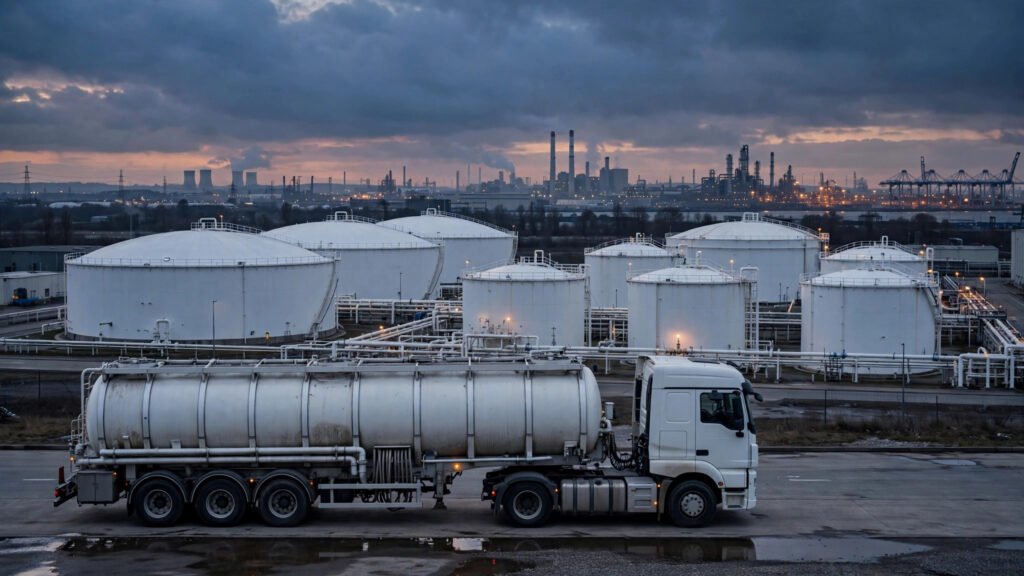
European Union member states have pledged to accelerate the release of 42.6 million barrels of oil from strategic reserves over the coming months, in a move aimed at stabilising fuel supplies and easing pressure on diesel prices ahead of winter.
European Commissioner for Energy and Housing Dan Jorgensen announced the commitment on October 29 after a meeting of EU energy ministers in Luxembourg, where energy security ahead of winter, energy price trends and measures to stabilise diesel supplies were on the agenda. Of the total, 20.5 million barrels will be diesel, according to the announcement.
Key Takeaways
- The EU will release 42.6 million barrels of strategic oil reserves, including 20.5 million barrels of diesel, by the end of January 2027.
- Average EU diesel prices stood at around 2.15 euros per litre on October 26, up roughly 35 percent since late February.
- France will release 10 million barrels of diesel at cost price, with officials expecting pump prices to fall by 12 to 18 cents per litre.
Why the EU Is Tapping Its Reserves Now
The release comes as diesel markets remain tight. The International Energy Agency said in its October oil market report that global diesel supplies remained tight, with prolonged disruptions to supplies from the Middle East and Russia contributing to declining inventories, while diesel prices in Europe and other regions remained elevated.
According to the European Commission’s latest weekly oil bulletin, the average retail price of diesel in the EU was around 2.15 euros per litre on October 26, up roughly 35 percent from the end of February, before the conflict in the Middle East broke out. For households and businesses that rely on diesel for transport, heating and freight, that increase has fed directly into the cost of living.
Jorgensen warned that the EU faced a difficult winter. While he said he did not expect problems with energy supply security in the short term, he acknowledged that high energy prices continued to put significant pressure on people struggling to pay their energy bills.
What France Announced
France is playing a central role in the release. French Economy Minister Roland Lescure said Europe would release 42 million barrels of oil reserves into the market over the next three months, with half of that release comprising diesel, before the meeting of EU energy ministers in Luxembourg.
Lescure said a French release of 10 million barrels of diesel already announced would hit the market in the coming days and that the impact on prices would be felt as soon as next week. The reserves would be supplied to the market at cost price, lowering prices by 12 cents to 18 cents a litre, he said. Fuel distributors have been encouraged to start advertising reduced prices as early as November 1.
It is the first time France has released strategic reserves specifically to reduce prices, according to an adviser at the Economy Ministry. French President Emmanuel Macron also secured a deal with four Gulf nations — Saudi Arabia, Kuwait, the UAE and Bahrain — for 300,000 tonnes of diesel a month following a five-country tour.
Officials describe the release as short-term relief for households and businesses facing high fuel prices, not a lasting increase in supply.
How This Fits the Wider Reserve Releases
The EU move is part of a larger coordinated effort. Earlier in October, the Group of Seven leading industrialised nations agreed to release 100 million barrels of crude oil and diesel from strategic reserves to address concerns over global supply. In March, members of the International Energy Agency agreed to release 400 million barrels of emergency oil stocks in response to supply disruptions caused by the conflict in the Middle East.
The latest announcement accelerates part of that effort for Europe specifically, with member states reaffirming their commitment to bring the 42.6 million barrels to market by the end of January 2027. The timing matters: winter demand for heating and transport typically rises just as supply chains face their greatest strain, and governments want additional barrels in the system before the coldest months.
Energy security has become a recurring theme in recent weeks, as tensions in the Middle East have kept oil markets on edge. Four tankers caught fire in the Strait of Hormuz after reported mine strikes, while Brent crude reached a six-month high on supply fears linked to attacks in the region. Against that backdrop, energy security has also featured in wider diplomatic talks on the war and its economic fallout.
What It Means for Drivers and Businesses
For drivers, the most direct effect should come through diesel pump prices. If the French estimate holds, a reduction of 12 to 18 cents per litre would be noticeable at the pump, particularly for frequent drivers and small businesses running diesel fleets. The effect will not be instant everywhere, since the pace at which reserve barrels reach filling stations varies by country and distributor.
- 42.6 million barrels of strategic reserves to be released, including 20.5 million barrels of diesel
- Release to be accelerated and completed by the end of January 2027
- France’s 10 million barrels of diesel to be supplied at cost price, with price cuts advertised from November 1
- EU average diesel price around 2.15 euros per litre on October 26, up about 35 percent since late February
- Gulf diesel deal for France: 300,000 tonnes a month from Saudi Arabia, Kuwait, the UAE and Bahrain
For businesses, diesel costs feed into delivery, agriculture and construction prices, so any sustained fall in pump prices could ease cost pressures more broadly. Analysts have previously cautioned, however, that releases from existing inventories provide temporary relief rather than a lasting increase in supply, since the barrels drawn down are not new production.
There is also a trade-off governments must manage. Releasing stocks now reduces the buffer available if a further supply disruption occurs later in winter. That is why officials have framed the move as short-term relief while, in their words, preparing for the winter ahead.
What to Watch Next
The next signals to watch are how quickly the released barrels reach the market and whether pump prices actually fall in the coming weeks, starting with France, where distributors have been encouraged to advertise reduced prices from November 1. The release is due to be completed by the end of January 2027, so the pace of deliveries through November and December will show whether the plan is on track.
Winter demand, refinery operations and developments in the Middle East will also shape the outcome, since further disruptions could offset the relief from the reserves. For now, the EU’s message is that additional supply is coming, that diesel makes up nearly half of it, and that households facing high energy bills should see some help at the pump before winter sets in.