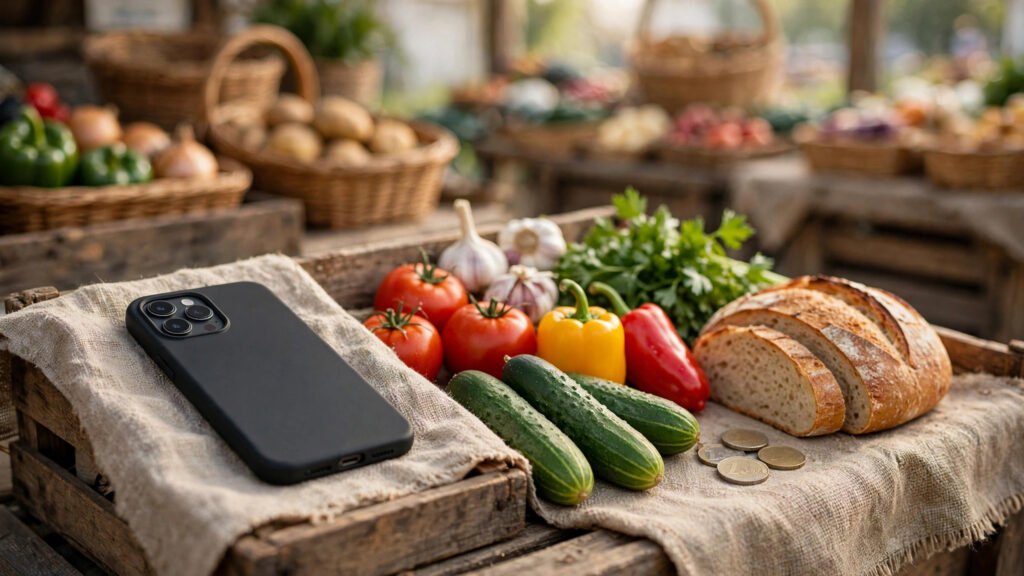
Bulgaria started 2026 with a new currency. The lev, which shoppers had used all their lives, was replaced by the euro, and overnight every familiar price had to be relearned. A loaf of bread, a bus ticket, a monthly electricity bill — all of them suddenly wore numbers that felt unfamiliar, even when the value behind them had not changed much at all.
That is why so many Bulgarians now reach for their phones before they reach for their wallets. The phone has become the pocket converter, the budget book and the bank branch, all in one. It translates the price on the shelf into something a shopper can feel, and it does it in seconds, without mental maths at the till.
This is not really a story about an app. It is a story about habit. When a whole country changes its money, people need a bridge between the prices they remember and the prices they now pay — and for most Bulgarians, that bridge fits in a pocket.
Key Takeaways
- Bulgaria swapped the lev for the euro at the start of 2026, so every familiar price had to be relearned in a new currency.
- The phone became the pocket converter: shoppers check prices, convert remembered lev amounts and track spending without doing mental maths at the till.
- The habit has stuck because budgeting, bills and travel all now run through the same device that holds the bank account.
From Lev to Euro: What Actually Changed
For years before the changeover, the lev was pegged to the euro at a fixed rate, so the conversion itself was not a mystery. What changed was daily life: bank balances were converted, coins and notes were replaced, and shop shelves were re-tagged in euros. During the changeover, prices were shown in both currencies so that shoppers could compare the old and the new side by side.
Even with that help, the switch felt strange. People knew what a weekly shop used to cost in leva, but the euro figure on the receipt looked smaller, and smaller numbers can be misleading. A price that looks low is not automatically a bargain, and a price that looks high is not automatically a rip-off. Shoppers needed time to rebuild their sense of what things should cost, and the phone gave them a quick way to check.
Why the Phone Became the Pocket Calculator
Converting prices in your head, item after item, is tiring — and embarrassing when a queue is forming behind you. The phone removes that pressure. A shopper can check a bank balance before entering a shop, convert a remembered lev price into euros while standing at the shelf, and split a restaurant bill with friends without anyone doing long division at the table.
Bank apps helped the habit along. Once salaries, pensions and savings were shown in euros, the phone became the place where people actually saw their money. Bills, subscriptions and transfers all live there too, so checking a price and checking whether you can afford it became one motion rather than two. The phone did not replace the price tag — it became the translator between the price people remembered and the price they now pay.
The phone did not replace the price tag — it became the translator between the price people remembered and the price they now pay.
Everyday Moments When the Phone Comes Out
The market is the clearest example. A shopper who bought tomatoes at a known lev price for years now sees a euro price and wants to know, in old money, whether it has moved. A quick conversion settles the question before the bag is filled. The same check happens in supermarkets, pharmacies and petrol stations, wherever a routine purchase suddenly wears an unfamiliar number.
Bills are another moment. Electricity, water, phone and internet charges all arrive in euros now, and many people open the bill on the phone, compare it with the previous month and pay it from the same screen. Travel changed too: a trip to another euro country no longer means changing money at a bureau, and booking travel from a phone feels simpler when the currency at the destination matches the one at home.
Fast, reliable connectivity makes all of this painless. Neighbouring Romania is known for fast internet, and across the region shoppers now expect a price check, a bank balance and a payment to load instantly, even on a market stall.
- The euro replaced the lev at the start of 2026, so familiar prices had to be relearned.
- Dual pricing during the changeover let shoppers compare old and new amounts side by side.
- Phones now handle conversion, bank balances, bills and payments in one place.
- Market stalls, supermarkets, pharmacies and petrol stations are where the checks happen most.
- Travel inside the euro area feels simpler with no money changing at the border.
Why the Old Habits Did Not Vanish Overnight
Not everyone converted at the same speed. Older shoppers, who had priced their whole lives in leva, took longer to trust euro figures, and many still convert big purchases back into leva in their heads as a sanity check. Small shops and markets also kept a strong cash culture, much like the cash habits that survive for small purchases in Hungary, where a note in hand still feels more real than a number on a screen.
There is also a watchful side to the habit. After any currency change, shoppers worry that rounding or repricing will quietly push costs up, so checking prices on the phone doubles as a way of keeping sellers honest. A shopper who knows the old price, the fixed conversion and the new price can spot a jump immediately — and that quiet vigilance is part of why the phone stays in hand.
What to Watch Next
The conversion habit will fade as euro prices become familiar on their own, and the mental translation back into leva will slowly stop feeling necessary. What will not fade is the phone’s central role: balances, bills, payments and travel all run through it now, and the changeover simply taught one more generation of shoppers to check before they pay. The euro changed Bulgaria’s money; the phone changed how Bulgarians feel about its price.