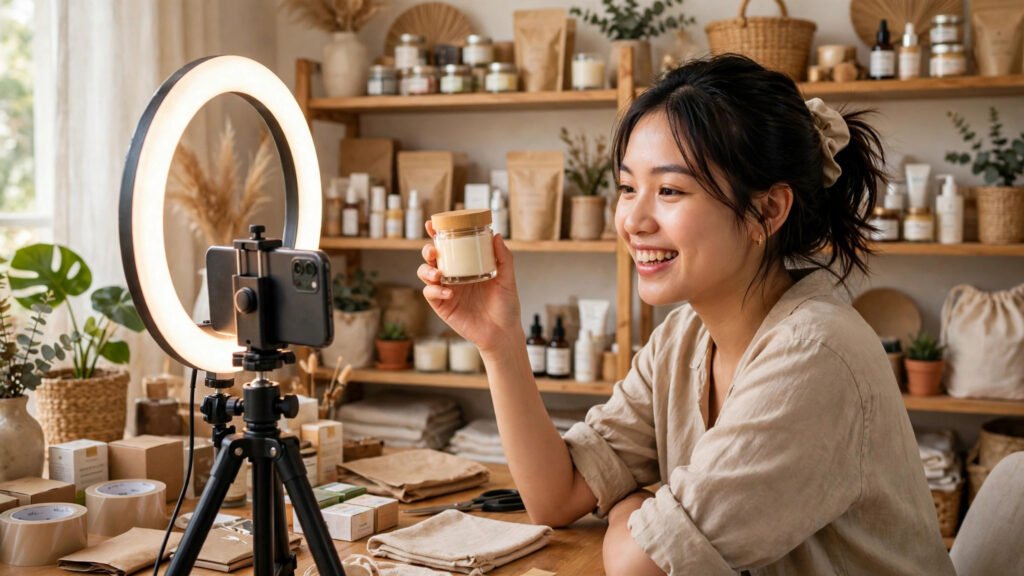
In Vietnam, a growing share of everyday shopping does not start in a store or even on a quiet product page. It starts with a live video: a seller talking to the camera, holding a shirt up to the light, answering questions in the comments, and taking orders while viewers watch. For many Vietnamese shoppers, this has become a normal way to buy clothes, cosmetics, household goods, and food. The question is why a livestream, with all its noise and hurry, often wins over a calm trip to a shop.
The short answer is trust. A photo can hide a lot. A live video hides much less. When a seller shows a product moving, folding, stretching, or being tried on in real time, the buyer gets a sense of what will actually arrive in the parcel. That matters even more for items where size, colour, or fabric can look different on a screen than in real life.
Key Takeaways
- Live video builds trust because shoppers see the real product, not just edited photos.
- Viewers can ask questions and get answers before they decide to buy.
- Phones and the apps people already use daily made livestream shopping easy to join.
Why livestreams feel more trustworthy than a photo
Online shopping always carries one basic doubt: will the item look like the picture? A livestream answers that doubt in front of an audience. The seller cannot quietly retouch a live demonstration. If a dress is thinner than expected, viewers see it. If a colour looks different under room light, someone in the comments will usually say so.
That public setting also creates accountability. A seller who answers honestly, shows flaws as well as strengths, and handles complaints in the open builds a reputation over time. Regular viewers return to sellers they know, and new viewers often judge a seller by how the chat reacts. In a store, a shopper relies on the shop itself. In a livestream, the crowd becomes part of the inspection.
A photo can hide a lot. A live video hides much less.
How a livestream sale actually works
A typical session is part demonstration, part conversation, and part sale. The seller introduces products one by one, shows them from different angles, and explains how they are used. Viewers type questions about size, material, delivery, or stock, and the seller answers on the spot. Orders are often placed during the stream itself, through the shopping features of the app or by leaving a comment or message as the seller directs.
- Sellers demonstrate products live, so buyers see texture, size, and colour in motion.
- Viewers ask questions and get immediate answers before spending money.
- Limited-time offers during a stream create a reason to decide now rather than later.
- Regular viewers build a relationship with sellers they trust and return for new sessions.
The entertainment matters too. A good livestream feels like a market visit mixed with a chat among friends. Giveaways, games, and friendly banter keep people watching, and watching longer makes a purchase more likely. That combination of shopping and social time is hard for a static product page to match.
Why phones and social apps made it take off
Vietnam is a phone-first country for many daily tasks, and livestream shopping fits that habit. People already spend time scrolling social and shopping apps, watching short videos, and messaging friends. A livestream arrives in that same feed, so joining takes no extra effort and no special equipment.
Payment habits have followed the same path. As digital payments spread across Southeast Asia, paying from a phone has become an ordinary step rather than a hurdle. In Vietnam, cash on delivery also remains familiar for many buyers, which lowers the risk of trying a new seller: shoppers can inspect the parcel before paying in full in some arrangements. That mix of options helps first-time buyers take the step, much like the habits described in how shoppers elsewhere lean on cash on delivery for online orders.
Small sellers benefit as well. A shop owner does not need a large storefront or a big advertising budget to start. A phone, a decent light, and a regular schedule can be enough to reach customers across the country, including people far from big city shopping streets. For sellers in smaller towns, a livestream can be the shop window, the sales assistant, and the checkout counter in one.
What livestream shopping does not replace
Livestreams have limits. A fast-talking seller can pressure viewers into quick decisions, and not every claim made on camera deserves to be taken at face value. Smart shoppers still compare: checking how to compare products before buying remains good advice even when a deal looks urgent. Prices, return rules, and delivery times are worth confirming before ordering, especially from a seller met for the first time.
Stores also still win for things people want to touch, try on properly, or take home immediately. A livestream cannot replace trying on shoes or testing a piece of furniture. What it replaces, for many shoppers, is the routine purchase where the product is already understood and the main need is confidence that the item is genuine and as described.
What to Watch Next
Livestream shopping in Vietnam is likely to keep blending entertainment, conversation, and convenience, because it answers the trust question that photos alone cannot. The sellers who last will be the ones who show products honestly, answer questions openly, and treat the chat as a community rather than just an audience. For shoppers, the habit to keep is the same one that made livestreams popular in the first place: watch the real product, ask the question before buying, and compare before deciding.