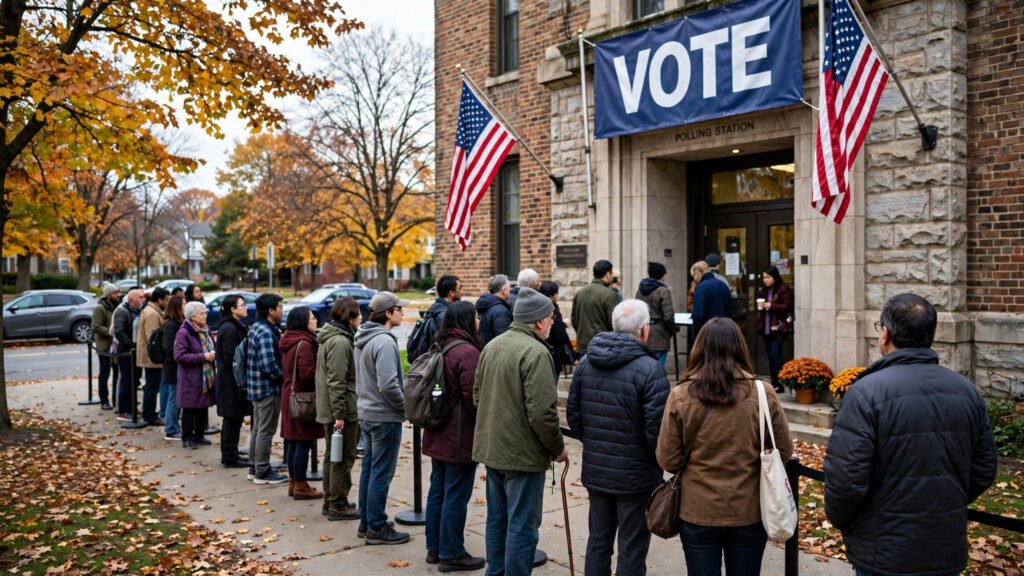
A record 47.9 million Americans have already cast their ballots in next week’s US midterm elections, figures released on October 30 showed, surpassing the previous midterm early-voting record and pointing to an unusually energised electorate heading into Election Day on November 3, 2026.
The University of Florida’s Election Lab had recorded 47,922,669 early votes nationwide by midday on October 30, passing the previous midterm record of 45.9 million early votes cast ahead of Election Day in 2022. The tally covers both in-person early voting and mail ballots returned before Election Day, and it was still rising as the final days of early voting continued in many states.
Key Takeaways
- 47,922,669 early votes had been recorded by midday on October 30, beating the 2022 midterm record of 45.9 million.
- Participation has surged in key battleground states, with registered Democrats outpacing Republicans in the early vote so far.
- The surge is strongest in states with fiercely contested Senate races that could decide control of the chamber.
Surge in Battleground States
The surge is especially pronounced in states with fiercely contested Senate races that could determine control of the chamber during the final two years of President Donald Trump’s presidency. Those races have drawn heavy campaigning from both parties in the closing weeks, with national figures touring swing states and parties pouring resources into turnout operations.
Registered Democrats have outpaced Republicans in the early vote so far, according to the figures reported on October 30, although early-vote breakdowns by party registration do not by themselves predict the final result. Republicans have in past cycles closed gaps on Election Day itself, when in-person voting on the day tends to lean more heavily their way.
A record 47.9 million Americans have already voted in next week’s US midterm elections, with participation surging in key battleground states.
Why This Midterm Matters
Midterm elections traditionally draw far lower turnout than presidential contests, which makes the new record notable. The 2022 midterms already set a high bar for early voting, and passing that mark days before Election Day suggests voters are treating this contest as unusually consequential.
The stakes extend beyond Congress. The outcome will shape the final two years of the Trump presidency, determining whether the White House faces a friendly or hostile legislature on spending, oversight and confirmations. It also arrives at a moment of intense global tension, with the wars in Ukraine and Iran dominating the diplomatic agenda and warnings that strikes on Iran could follow the midterms adding to the sense of a pivotal week for American politics.
- Record 47.9 million early votes counted by midday October 30
- Previous midterm record: 45.9 million in 2022
- Election Day: November 3, 2026
- Battleground Senate races driving the surge
- Early-vote figures still rising as voting continues
A Campaign in Full Swing
The final week has seen an intense round of rallies and appearances. Former President Barack Obama has been campaigning for Democratic candidates, including at a Georgia rally in the closing days of the campaign, while Republican leaders have urged their supporters to turn out in force on Election Day itself.
Meanwhile, the election is playing out against a busy diplomatic backdrop. Foreign ministers from the Group of 20 met in Atlanta on October 30, days before voters head to the polls, with the wars in Ukraine and Iran and rising energy prices at the top of their agenda.
What to Watch Next
Attention now turns to the final early-voting tallies and to Election Day itself on November 3, when in-person voting could still reshape the picture suggested by the early numbers. The key questions are whether the early-vote record translates into record overall turnout, whether the battleground Senate races break toward either party, and whether the early Democratic edge in returned ballots holds once Election Day votes are counted. The results will decide control of Congress for the final two years of the Trump presidency.