What the approval covers
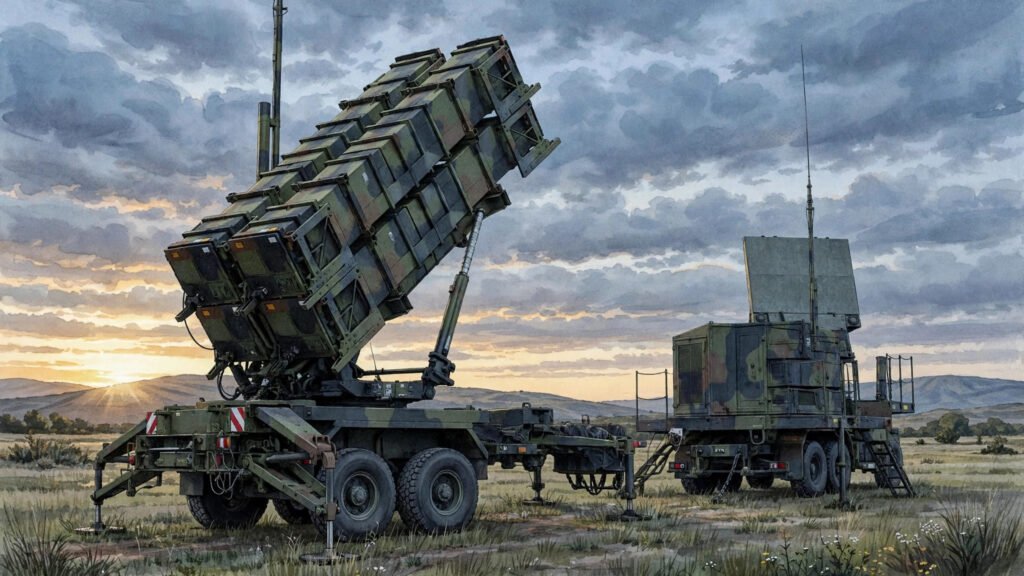
The United States has approved the sale of 500 Patriot PAC-3 interceptor missiles to Ukraine for an estimated $2.1 billion, the US State Department said on Friday. The announcement, reported on November 1, 2026, describes one of the most significant steps to supply defensive weapons to Kyiv since the start of the second Trump administration.
The package covers 500 Patriot PAC-3 MSE missiles, along with classified and unclassified spare parts for the launchers and related logistics and programme support. Lockheed Martin is named as the principal contractor for the sale.
In its statement, the State Department said the proposed sale would support the foreign policy and national security objectives of the United States by improving the security of a partner country that is a force for political and economic stability in Europe. The US government has notified Congress of the decision, and lawmakers now have 30 days to review the agreement before formal implementation.
Key Takeaways
- The US has approved 500 Patriot PAC-3 missiles for Ukraine, worth an estimated $2.1 billion.
- No US funds are involved: Canada, Germany and Norway contribute through the US JUMPSTART programme, alongside EU-backed national funds.
- The missiles are not yet manufactured, so delivery is not expected until a couple of years into the 2030s, according to people briefed on the decision.
Who pays, and how
One of the clearest details in the announcement is the funding route. The State Department said Ukraine will pay for the purchase with donations from Canada, Germany and Norway routed through a programme called US JUMPSTART, along with national funds financed by the European Union’s Ukraine Support Loan. The department stressed that no US funds are involved in this sale.
That structure matters because it separates the approval from direct US budget funding. Allied contributions and EU-backed financing carry the cost, while the United States acts as the approving government and the missiles are supplied through the established government-to-government sales process.
The same JUMPSTART route was used in August to buy 3,350 air-launched cruise missiles worth $825 million, made by Zone 5 Technologies and CoAspire, according to reporting on the new approval. The Patriot package is far larger in value and far more focused: a single air-defence interceptor type, in bulk, for a country facing sustained aerial attack.
Why Kyiv wants them sooner
Ukrainian President Volodymyr Zelensky welcomed the approval on October 31, but said Ukraine needed to receive the weapons much sooner than planned. Speaking to the media in Turkey, he said Ukraine had an understanding of what it would have this winter, and that it was not enough to protect the country.
His argument is about timing, not just quantity. Patriot systems are considered particularly effective at intercepting the ballistic missiles Russia is using in its war against Ukraine, and Kyiv has repeatedly asked for faster deliveries ahead of winter, when attacks on energy and civilian infrastructure have intensified in past years.
Ukraine’s defence ministry has asked the Pentagon to consider accelerating the process, including the option of transferring existing missiles from the US stockpile first and replenishing them later from the new package. Zelensky has also raised the idea of swapping places in the missile delivery queue with partners, so that some interceptors could arrive sooner and be replaced later from the US package, with guarantees attached.
The approval is a promise of air defence for the years ahead, not a delivery for this winter.
None of those acceleration ideas changes the basic production fact reported alongside the approval. Weapons sales typically take years to fulfil, and two people briefed on the US decision said the missiles, which are yet to be manufactured, are not expected to be delivered until a couple of years into the 2030s. That gap between approval and arrival is now the central tension in the story.
Why the timing is difficult
The approval comes at a strained moment in US-Ukraine relations. Reporting on the decision notes delayed missile deliveries have added to Ukraine’s tensions with Washington, after President Donald Trump announced a diesel deal with Russia and criticised Zelensky over Ukraine’s unwillingness to stop attacks on Russian refineries.
Ukraine’s campaign against Russian refineries has itself shifted in recent days. Kyiv paused strikes on Russian refineries under pressure from Washington, before resuming refinery strikes at Samara and Ufa on October 31. The Patriot approval sits inside that wider argument about what Ukraine may strike, what it may receive, and how quickly.
- 500 Patriot PAC-3 MSE interceptor missiles approved, worth an estimated $2.1 billion.
- Principal contractor: Lockheed Martin; Congress has 30 days to review the notified sale.
- Funded by Canada, Germany and Norway via JUMPSTART, plus EU Ukraine Support Loan-backed national funds.
- Delivery is not expected until the early 2030s unless an acceleration or queue-swap deal is agreed.
The scale of the package also stands out in its own right. In July, the US Army awarded Lockheed a contract worth up to $58.6 billion to produce Patriot interceptor missiles, a reminder that demand for this air-defence system extends well beyond a single sale. For Ukraine, the 500 missiles would add depth to an air-defence stockpile that is consumed quickly in a war of missile and drone attacks.
What to Watch Next
What to watch next is whether Congress raises objections during its 30-day review, whether any acceleration deal moves missiles forward from existing stockpiles or partner queues, and whether allied funding through JUMPSTART and the EU-backed loan is confirmed in full. The approval itself is now on the record; the delivery timetable, and what Ukraine has available this winter, remain the open questions the article has already described.