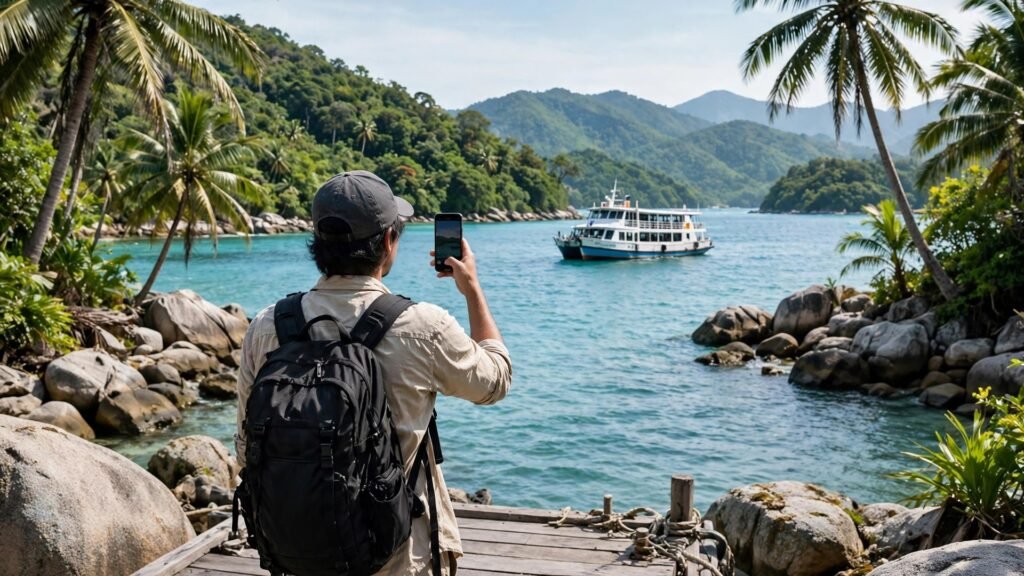
In Seychelles, a journey between islands rarely starts at the harbour. It starts earlier, at home, with a phone in hand and a quick check of the ferry times. Before packing a bag, before leaving for the jetty, before promising to meet someone on another island, many Seychellois look first at the screen to see when the next boat goes, and whether anything about the crossing has changed.
To a visitor, that check can look like a small habit. In an island nation, it is practical planning. When the road between two places is the sea, the timetable matters in a different way: miss the boat, and the whole day can change. Checking the ferry times first is how travellers protect their plans.
Key Takeaways
- Seychellois check inter-island ferry times on their phones because a missed boat can reshape a whole day of work, school, shopping or visiting family.
- Sea and weather conditions can affect a crossing, so the phone check is also a check on whether the journey will run as planned.
- The habit links the islands together: one quick check helps travellers connect ferries with onward plans on the island where they land.
Why Island Life Runs on Boat Times
Seychelles is made up of many islands, and everyday life is spread across them. People live on one island, work on another, visit family on a third, and shop, study or seek services where they are available. Ferries are the bridge between those parts of life, carrying passengers, and often their bags and supplies, from island to island.
That is why the ferry timetable sits at the centre of the day. A traveller who knows the departure time can plan backwards: when to leave home, when to reach the jetty, and what can still be done after landing. A traveller who does not check risks arriving to find the boat already gone, or waiting far longer than planned for the next one.
Phones have made that check simple. Instead of travelling to the harbour just to ask, or relying on a timetable remembered from another day, a traveller can confirm the times from home, from work, or on the way. The information travels with the traveller, and the plan can be adjusted before anyone sets out.
A Crossing Is Not Like a Bus Ride
A ferry crossing is not quite like catching a bus on land. On land, a missed bus is usually followed by another one soon after, along a road that stays in place. At sea, the route depends on conditions that can change during the day. Wind and swell can make a crossing slower, rougher, or, on some days, unsuitable for travel at all.
That is part of why the phone check matters so much. Travellers are not only asking what time the boat leaves. They are also looking for signs that the day’s crossings are running normally, or that a change has been announced. A short message, an updated timetable, or a notice shared by fellow travellers can save a wasted trip to the jetty.
For people travelling with children, older relatives, or heavy bags, that advance warning matters even more. Knowing before leaving home means the journey can be postponed, rearranged, or taken another day, rather than discovered to be impossible at the harbour.
When the road between two places is the sea, the timetable matters in a different way: miss the boat, and the whole day can change.
How the Phone Check Shapes the Day
The ferry check shapes small, practical decisions throughout the day. Travellers use it to decide:
- Which boat to aim for, so the day’s work, school run or appointment still fits
- When to leave home to reach the jetty without rushing or waiting too long
- Whether a day trip to another island is realistic, or better saved for another day
- How to connect a ferry arrival with onward travel on the island where they land
- What to carry, when a crossing means a full day away from home
For workers, the check can decide whether the working day starts on time. For students, it can decide whether classes are reached at all. For families, it can decide whether a visit, a shopping trip, or a medical appointment goes ahead as planned. None of this is dramatic on its own, but together it is the quiet planning that keeps island life moving.
When a Ferry Is Delayed or Changed
Delays and changes are part of sea travel, and the phone is how most travellers first hear about them. A traveller who learns of a change early can tell the people waiting on the other side, rearrange a meeting, or choose a different boat. A traveller who learns late has fewer choices, and the people waiting have less warning too.
That shared information matters. Island communities are close, and news of a changed crossing often travels through messages between friends, family and colleagues as well as through official updates. The phone, in other words, does more than show a timetable: it keeps both ends of the journey informed.
It also helps travellers think about the return trip, not just the outward one. A day on another island only works if there is a way back, and checking both directions before setting out avoids the awkward position of being stranded at the end of the day. Experienced island travellers check the return times first, because the last boat home sets the limit on everything else.
A Habit Shared Across Island Nations
Seychelles is not the only island nation where the phone has become part of the journey. In Saint Lucia, travellers face a similar question before crossing to a neighbouring island, as explained in why Saint Lucians check their phones for ferry times to Martinique. In the Maldives, scattered islands make the phone central to daily life, as shown by how Maldivians rely on their phones across scattered islands. And within Seychelles itself, the wider picture is set out in why Seychellois rely on their phones across the islands.
The pattern is the same in each place: where water separates home, work and family, the phone becomes the tool that holds the journey together. The ferry still does the carrying, but the phone does the planning.
What to Watch Next
The ferry-time phone check is unlikely to fade, because it answers a need that island geography creates every day. As long as people live, work and visit across separate islands, they will want to know, before they leave home, when the next boat goes and whether the crossing is running as planned. The phone will keep being the first step of the journey — checked before the bag is packed, before the jetty is reached, and before the sea itself comes into view.