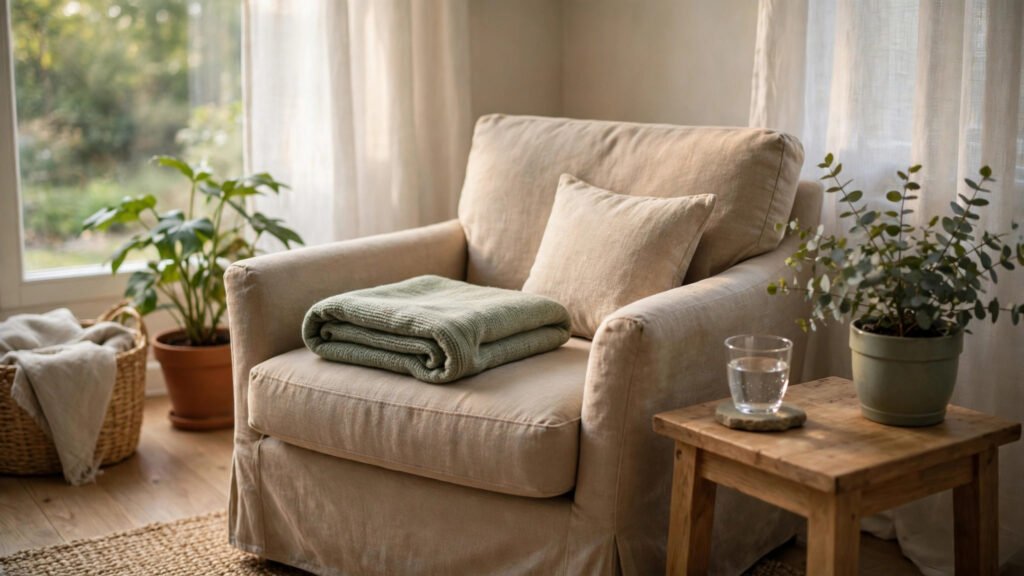
Learning how to take a power nap is one of the simplest ways to rescue a slow afternoon. A short, well-timed rest can help you feel clearer and steadier for the rest of the day, without the heavy, groggy feeling that a long daytime sleep sometimes brings. The trick is not to sleep longer — it is to keep the nap short, choose a sensible time, and set yourself up to drift off quickly.
Many people struggle with naps because they treat them like a mini night’s sleep. They lie down for an hour, wake up confused, and decide that napping simply does not work for them. In most cases, the problem is not napping itself. It is the length, the timing, or the setting. A few small changes can turn a nap from a gamble into a reliable part of your day.
Key Takeaways
- Keep a power nap short, so you wake up before falling into a deep sleep.
- Take your nap earlier in the afternoon, not close to your normal bedtime.
- A dark, quiet, comfortable spot matters more than a perfect routine.
How to Take a Power Nap: The Short Version
A power nap is a brief daytime rest, usually lasting around ten to twenty minutes. Set an alarm before you lie down, so you do not have to worry about oversleeping. Close your eyes, breathe slowly, and let yourself rest — even if you do not fall fully asleep, the quiet break itself can feel refreshing.
Give yourself a few minutes to settle. If your mind is racing, it can help to focus on slow, steady breathing rather than trying to force sleep. The aim is rest, not performance. Some days you will fall asleep quickly, and on other days you will simply lie still and unwind. Both can leave you feeling better than pushing through the afternoon feeling drained.
The trick is not to sleep longer — it is to keep the nap short, choose a sensible time, and set yourself up to drift off quickly.
Pick the Right Time of Day
Timing matters almost as much as length. For most people, the early to mid-afternoon is the natural window for a short rest — the part of the day when energy often dips. A nap taken too late in the day can make it harder to fall asleep at night, so try to finish your nap well before the evening.
If you have a regular daily rhythm, fit the nap into a gap you already have, such as after lunch or between tasks. A regular slot makes it easier to fall asleep, because your body starts to expect rest at that time. If your schedule changes from day to day, simply aim for the afternoon and avoid the last few hours before bed.
Set Up a Comfortable Spot
You do not need a special setup, but a few basics make a real difference. Choose a place that is as dark and quiet as you can manage. A sofa, an armchair, or a bed all work — what matters is that you can relax without being disturbed. A light blanket can help, because your body temperature tends to drop slightly as you rest.
Silence your phone or turn on a gentle, steady background sound if outside noise is a problem. Loosen anything tight around your waist or neck, take off your shoes if that feels more comfortable, and place your alarm where you can reach it without getting up. The less you have to think about once you lie down, the easier it is to rest.
- Set an alarm for ten to twenty minutes before you lie down.
- Make the room dark, quiet, and comfortably cool.
- Use a blanket and a supportive pillow or cushion.
- Keep the nap in the early to mid-afternoon.
- Give yourself five minutes after waking to sit up slowly.
What to Do When You Wake Up
Waking up from a short nap can feel strange for a minute or two, and that is normal. Sit up slowly, stretch gently, and drink a glass of water. A little daylight or a short walk around the room can help you feel alert again. Avoid jumping straight into a demanding task if you can — give yourself a few minutes to come back to full attention.
If you often wake up groggy, your nap may have run too long. Try a shorter nap next time, and check that your alarm is loud enough to wake you at the right moment. Small adjustments like these usually solve the problem. A simple night routine can also help, because better night sleep makes daytime rest easier to manage.
Common Power Nap Mistakes to Avoid
The most common mistake is napping for too long. An hour-long daytime sleep can leave you feeling worse than no nap at all, and it can disturb your night sleep. Another common mistake is napping in a bright, noisy room and then blaming the nap when rest never comes. Comfort and quiet are part of the method, not extras.
A third mistake is relying on a nap to fix a pattern of very poor night sleep. A short nap can ease a single tired afternoon, but if you regularly struggle to sleep at night or feel exhausted during the day, it is worth talking to a healthcare professional about what might be going on. This article is general information only, not medical advice, and persistent sleep problems deserve proper attention.
It also helps to pair your nap with other simple daytime habits. When you are back on your feet, taking movement breaks through the day can keep stiffness and tiredness from building up again, and that steady rhythm often makes the next afternoon easier too.
How to Take a Power Nap When You Are Short on Time
Even on a busy day, a short rest is possible. If you work from home, a chair and a blanket may be enough. If you are in an office, a quiet room, a parked car in a safe place, or even a reclined chair with an eye mask can work. Keep the same basics: a short alarm, a dark and quiet spot, and a clear end time.
On days when sleep does not come, do not turn the nap into a source of stress. Lie still, rest your eyes, and breathe slowly for the time you set aside. Then get up at your alarm and move on with your day. A calm break still beats a frustrated hour of tossing and turning, and the habit of resting at the same time each day often makes sleep come more easily over time.
If the afternoon slump is your main problem, you may also find it useful to read about how to beat the afternoon energy slump, which covers other simple ways to steady your energy without relying on a nap alone.
What to Watch Next
A good power nap is short, taken in the early to mid-afternoon, and set up in a dark, quiet, comfortable spot. Keep the alarm short, wake up slowly, and give yourself a few minutes to feel alert again. Avoid long naps and late naps, and treat persistent tiredness as a reason to seek proper advice rather than something to push through. With those basics in place, a short rest can become a simple, reliable way to refresh an ordinary afternoon.