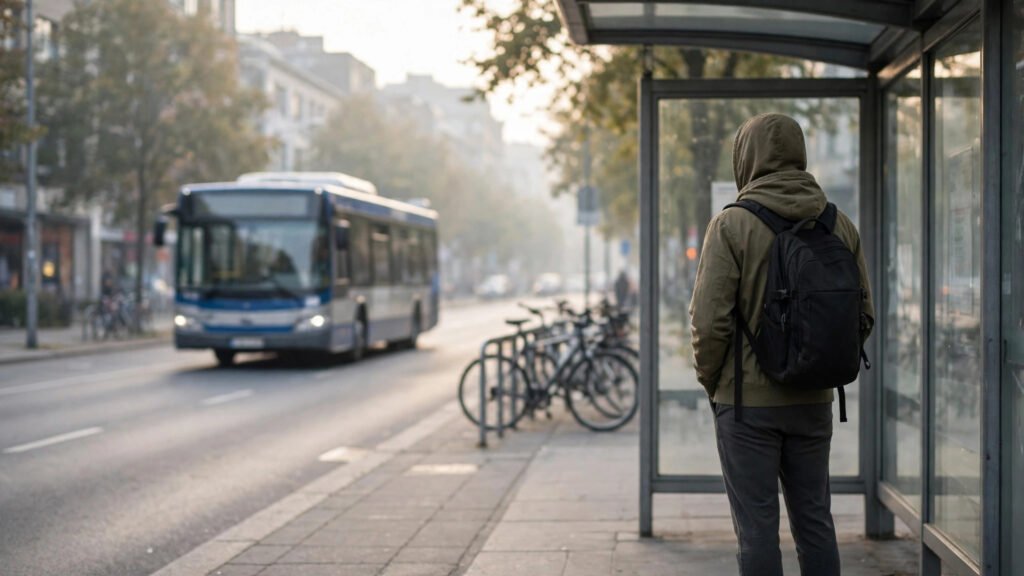
Commuting is one of those costs that quietly adds up. A ticket here, a tank of fuel there, a coffee bought because you left late — none of it feels large on its own, but together it can take a noticeable slice out of a monthly budget. If you want to save money on commute costs without changing jobs or moving house, the good news is that small, steady changes usually beat dramatic ones.
This guide looks at practical ways to bring everyday travel costs down, from planning your trips better to reviewing the travel pass you already pay for.
Key Takeaways
- Planning trips in advance and batching errands can cut unnecessary journeys.
- Comparing a travel pass with pay-as-you-go travel helps you pay only for what you actually use.
- A short monthly review keeps commute spending visible before it drifts upward.
Start by Seeing What Your Commute Really Costs
Before changing anything, it helps to know what you currently spend. For one or two weeks, note down every commute-related cost: tickets, fuel, parking, tolls, and any ride-hailing trips. You do not need a complicated spreadsheet — a simple note on your phone will do. Many people are surprised by how much goes on occasional trips rather than the regular journey to work, and you can track your spending in the same simple way for the rest of your budget too.
Once you can see the pattern, the savings usually suggest themselves. If short, unplanned trips are the problem, planning helps. If a pass you rarely use is the problem, reviewing it helps. Guessing rarely works as well as looking at the real numbers for a couple of weeks.
Simple Ways to Save Money on Commute Costs
One of the easiest changes is to batch your trips. Instead of making three separate journeys across the week for errands, appointments, and shopping, see whether two of them can be combined into one outing. Fewer journeys means less fuel or fewer tickets, and it often saves time as well.
Walking or cycling for short trips is another option worth considering where it is safe and practical. Even replacing one or two short car or bus trips a week with walking can reduce costs over a month, and it adds movement to your day without needing extra time set aside for exercise.
If you drive, smooth habits help: keeping tyres properly inflated, avoiding unnecessary weight in the car, and driving steadily rather than rushing between stops can all reduce fuel use. Regular basic maintenance also helps avoid larger repair bills later, which is another way commuting costs creep up unnoticed.
- Batch errands into fewer trips instead of travelling out several times a week.
- Walk or cycle short journeys where it is safe and practical to do so.
- Share rides with a colleague or neighbour heading the same way.
- Review your travel pass each month against how often you actually travelled.
Check Whether Your Travel Pass Still Fits
Travel passes make sense when you travel often, but they can quietly stop being good value if your routine changes. If you started working from home some days, or your hours changed, a monthly pass you bought out of habit may now cost more than paying per trip. Once a month, compare roughly how many trips you made with what the pass cost, and consider whether a different ticket type would suit your current routine better.
The same thinking applies to driving costs. If parking charges, fuel, and maintenance together are much higher than public transport for the same journey, it may be worth trying the alternative for a week to compare the real experience, not just the price. Comfort, reliability, and total travel time matter too — the cheapest option is not always the best one for your daily life.
Fewer journeys means less fuel or fewer tickets, and it often saves time as well.
Share the Journey When You Can
Carpooling with a colleague, neighbour, or friend who travels the same route can split fuel and parking costs and make the journey more pleasant. It works best with a simple, regular arrangement — for example, taking turns driving on set days — rather than a complicated rota that falls apart in the first week. Even sharing a ride twice a week can make a visible difference over a month.
If your employer offers flexible hours or occasional remote work, using those options on days when travel is most expensive or most crowded can also help. This is not about avoiding work — it is about using flexibility you already have in a way that reduces both cost and stress.
Make Commuting Part of Your Budget, Not an Afterthought
Treating travel as a fixed budget line, rather than money that simply disappears, makes it easier to control. Set a realistic monthly amount for commuting, check it once a month, and adjust it when your routine changes. When prices rise, that monthly check is what stops a small increase from turning into an unnoticed habit of overspending.
It also helps to separate commuting from other spending. Money set aside for travel should not quietly absorb takeaway lunches, snacks, or shopping picked up on the way home. Keeping those categories apart makes it much easier to see which one actually needs attention.
Finally, consider putting any saving you make to a purpose. If a new habit saves you a little each week, moving that amount into savings — even automatically, if your bank allows it — turns a vague intention into something real. You can automate your savings so the money moves before you have a chance to spend it elsewhere.
What to Watch Next
Start by tracking your commute costs for a couple of weeks, then batch trips, review your travel pass, and set a realistic monthly travel budget. Small changes — fewer journeys, shared rides, and a monthly review — are what keep commuting costs under control over time, and moving any saving into savings helps the benefit last.