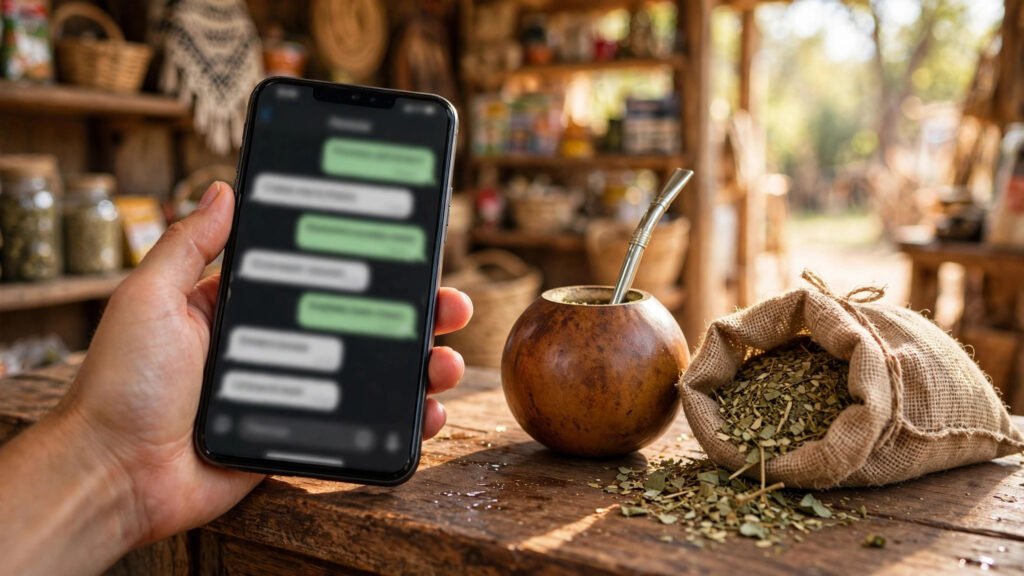
Explained: Why Paraguayans Run So Much of Daily Life on WhatsApp
Why is WhatsApp so central to daily life in Paraguay? From small-shop orders to family groups, here is how the chat app became the country’s everyday tool.
Why is WhatsApp so central to daily life in Paraguay? From small-shop orders to family groups, here is how the chat app became the country’s everyday tool.

Learn how to repurpose blog content with AI into social posts, a video script, and a newsletter from one article — no blank page needed.
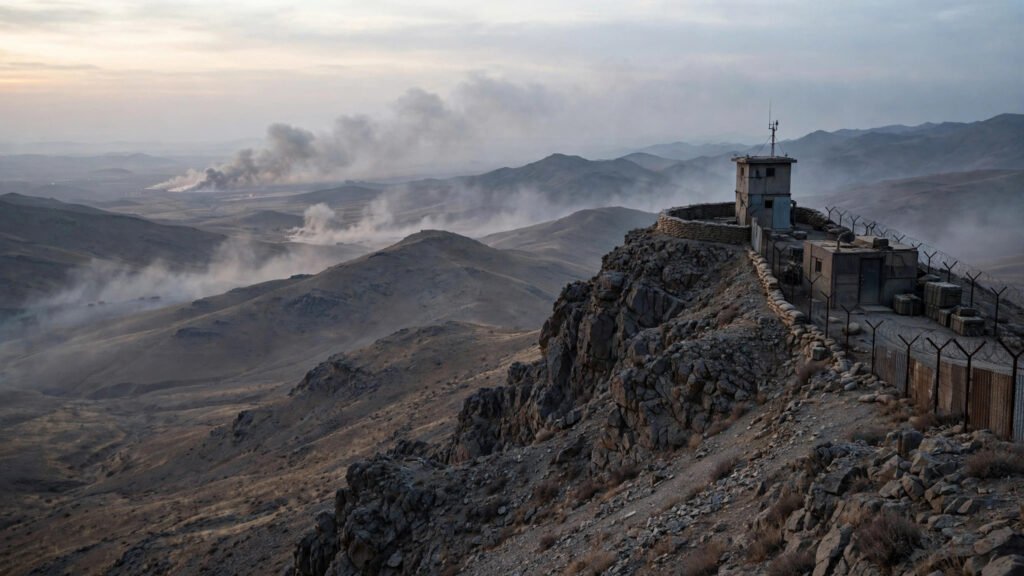
Pakistan’s army destroyed several Afghan Taliban border posts and military installations near South Waziristan and Parachinar on October 30, security sources cited by state media said, in retaliation for firing in Angoor Adda that killed one civilian — though Kabul disputes Pakistan’s account and neither side’s claims are independently verified.

The G20 foreign ministers’ meeting opened in Atlanta on Friday without its traditional group photo, after European officials refused to be pictured alongside Russian Foreign Minister Sergey Lavrov — a snub that laid bare the divisions hanging over talks on Ukraine, Iran and global energy prices.

Why mobile data in Djibouti feels so expensive despite the country’s submarine cables — small market, one dominant operator, and the costly last mile to your phone.

Learn strength training at home with no equipment: simple bodyweight moves, a beginner routine, and safe ways to progress week by week.

Russian President Vladimir Putin warned on October 30 that escalation with Europe would leave no winners, saying Russia is ready for war but does not want one, and cautioned against Baltic Sea shipping restrictions.

Why do Senegalese pay with Wave instead of cash and bank cards? A look at how phone-based payments fit daily life in Senegal, from Dakar markets to family transfers across the country.

Learn how to build an emergency fund on a low income with small, automatic weekly steps that grow into a real safety net over time.

Hackers stole at least $6.3 billion from Binance in the largest crypto theft on record, with blockchain firms TRM Labs, Chainalysis and Elliptic blaming North Korea’s TraderTraitor unit. About $3 billion has been frozen so far, and Binance says it will cover losses from company funds.