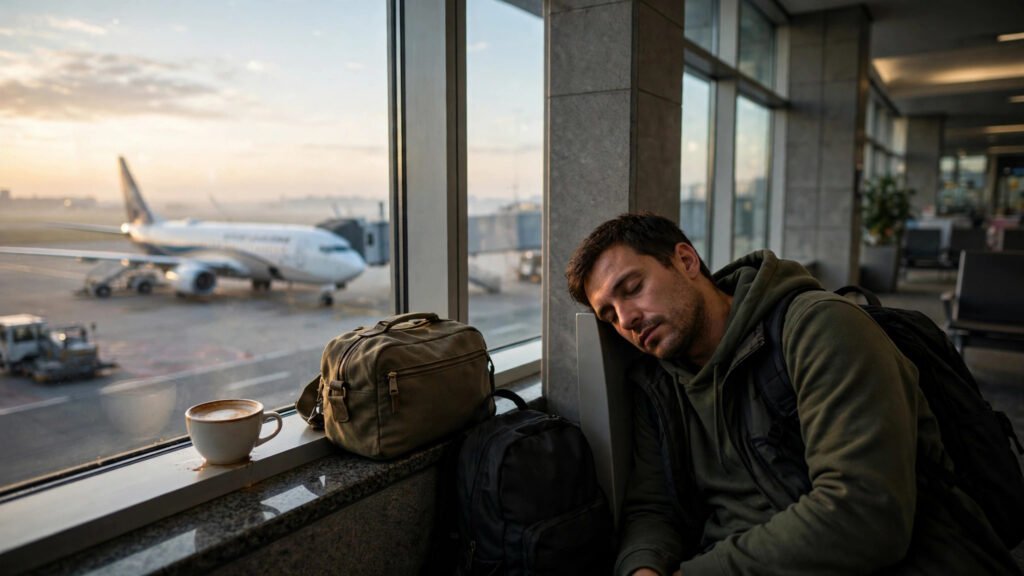
Learning how to beat jet lag can turn the first days of a trip from a foggy struggle into a much smoother start. Jet lag happens when you cross several time zones quickly and your body clock is still set to home time. You may feel wide awake at midnight, sleepy in the afternoon, and slightly out of sorts for a day or two. The good news is that a few simple habits, used before, during, and after your flight, can help your body adjust faster.
Key Takeaways
- Start shifting your sleep and meal times a little toward your destination time before you fly.
- Daylight, meals, and movement after landing help your body clock reset faster.
- Short naps are fine, but long daytime naps can slow your adjustment.
Jet lag is not a sign that you are a bad traveller. It is a normal response to fast travel across time zones. The bigger the time difference, the more adjustment your body usually needs. A short hop of one or two hours may barely register, while a long-haul flight across eight or more hours can take several days to fully shake off. That is why a plan matters more than any single trick.
Jet lag is not a sign that you are a bad traveller. It is a normal response to fast travel across time zones.
How to Beat Jet Lag Before You Fly
Preparation starts a few days before departure, and it does not need to be dramatic. If you are flying east, try going to bed and waking up a little earlier each day. If you are flying west, shift things a little later. Even a shift of 30 to 60 minutes a day can make the first morning at your destination feel easier.
Use the days before your trip to sort out your sleep too. A well-rested traveller usually copes better than one who boards the plane already exhausted. Avoid staying up all night to pack, and try to keep your last night at home as normal as possible. Packing early is a small step that pays off twice: less stress, and a better night of sleep.
It also helps to set your watch to destination time as soon as you board. From that point on, think in destination time for meals and sleep. This small mental switch makes it easier to follow the plan below instead of constantly converting hours in your head.
What to Do During the Flight
On the plane, your job is to help your body along, not to fight it. Drink water regularly, since cabin air is dry and dehydration can make tiredness feel worse. Eating light meals at times that roughly match your destination can also help your body start to adjust.
Try to sleep on the plane if it will be night at your destination when you land. An eye mask, earplugs, and a neck pillow make this much easier, and they weigh almost nothing in your bag. If it will be daytime when you land, staying awake on the flight and resting on arrival usually works better.
Move a little during the flight as well. A short walk up and down the aisle every couple of hours, plus gentle stretches in your seat, can ease stiffness and help you feel less sluggish when you step off the plane.
How to Adjust Faster After You Land
Daylight is your strongest tool after landing. Getting outside in the morning light tells your body that a new day has started. A walk outside, even a short one, beats sitting in a dim hotel room. Using morning sunlight to wake up naturally works at home too, and the same idea applies on a trip: bright light in the morning helps reset your rhythm.
Eat your meals at local times, even if you are not very hungry at first. Meals are another signal your body uses to set its clock. Keep the first day simple: a proper breakfast, a walk, and an early dinner, rather than a packed schedule that leaves you drained.
If you need a nap, keep it short, ideally under half an hour, and take it earlier in the day rather than late in the afternoon. A long late nap feels wonderful at the time, but it can push your bedtime later and stretch the jet lag out for another day.
- Shift sleep and meals toward destination time a few days before flying.
- Drink water and move a little during the flight.
- Get outside in morning daylight on your first day after landing.
- Keep naps short and early so your first night’s sleep comes easily.
Simple Habits That Make the First Night Easier
Your first night at your destination sets the tone for the rest of the trip. Keep the room dark and cool, and avoid bright screens in the last hour before bed if you can. A calm wind-down routine, even a simple one, signals to your body that it is time to sleep. A simple night routine for better sleep is easy to carry with you when you travel, and it works just as well in a hotel as it does at home.
Be careful with caffeine on arrival day. A morning coffee can help you stay alert, but caffeine late in the day can make falling asleep much harder. The same goes for heavy evening meals and alcohol, which can disturb sleep even when you feel tired. Drinking enough water every day is a simpler habit that supports your energy without disturbing your night.
If you wake up in the middle of the night, do not panic. This is common for the first night or two. Keep the lights low, avoid checking the time every few minutes, and rest quietly. Most travellers find their sleep settles into local time within a couple of days.
What to Watch Next
Beating jet lag is mostly about giving your body clear, consistent signals: light in the morning, meals at local times, short naps, and a calm first night. Start shifting before you fly, use the flight wisely, and get outside on arrival day. Your body clock will catch up, and the rest of your trip will feel far more enjoyable. If you travel often, keep notes on what worked for you on each trip, so your next journey starts with a plan you already trust.