Learning how to prepare for a performance review can turn a stressful meeting into a useful conversation. Most reviews are not tests. They are a chance to look back at your work, talk about what went well, and agree on what comes next. A little preparation makes that conversation calmer, clearer, and much more helpful for both you and your manager.
Key Takeaways
- Write down your wins, your challenges, and your goals before the meeting starts.
- Bring specific examples instead of general claims about your work.
- Prepare one or two honest questions about your growth and your next steps.
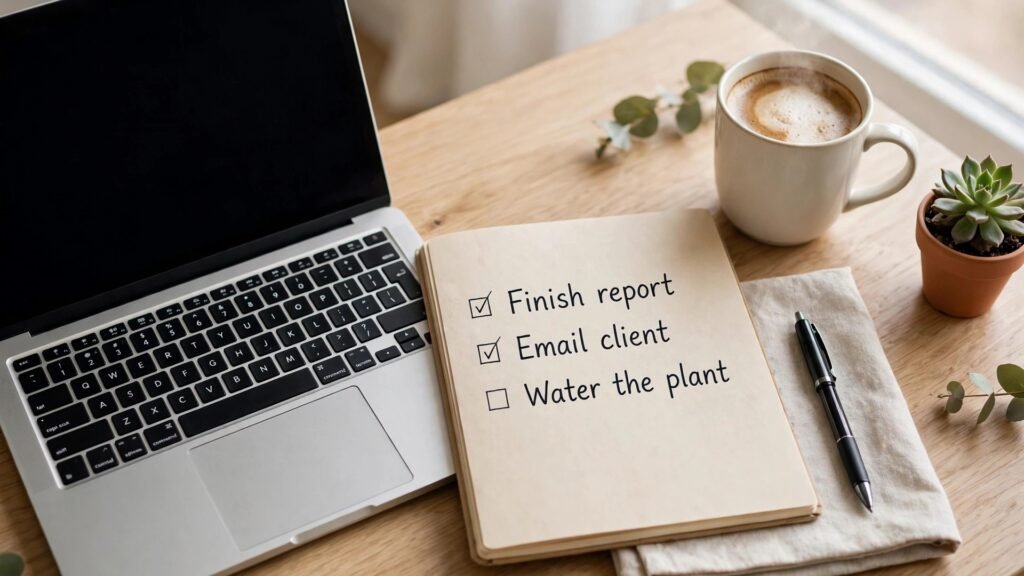
A review goes better when you walk in with notes, not just nerves. When you have thought about your work in advance, you can answer questions without guessing, and you can steer the conversation toward the topics that matter most to you.
How to Prepare for a Performance Review: Start With Your Own Notes
Start by looking back over the review period. Think about the projects you worked on, the problems you helped solve, and the skills you used or improved. Write a short list, even if it feels rough at first. You do not need a long document. A single page of notes is usually enough to keep you focused during the meeting.
It helps to sort your notes into three simple groups: what went well, what was difficult, and what you want to learn or do next. This structure keeps the conversation balanced. It shows that you can see your strengths clearly, and that you are also honest about areas where you want to improve.
If your manager sent questions in advance, answer them in writing first. Short, direct answers are better than long explanations. If no questions were sent, you can still prepare by thinking about the questions managers often ask: what are you most proud of, what would you do differently, and what support do you need?
Gather Evidence, Not Just Feelings
General statements such as “I worked hard” are difficult for a manager to act on. Specific examples are much stronger. Instead of saying you helped the team, describe one project, what your role was, and what happened as a result. Keep the details simple and honest, and avoid taking credit for work that belonged to someone else.
Useful evidence can come from many places: finished projects, positive feedback from colleagues or customers, tasks completed ahead of schedule, or problems you helped fix. You do not need to list everything. Choose three or four examples that best show the kind of work you do and the value you bring to the team.
- Pick three or four strong examples, not a long list of everything you did.
- For each example, note what you did and what the result was.
- Keep feedback from others handy, so you can mention it accurately.
- Be ready to explain what you learned from the harder projects too.
When you are managing several projects at once, it is easy to forget the smaller wins. That is why written notes matter. A quick look through your calendar, your messages, or your completed tasks can remind you of work you might otherwise leave out of the conversation.
Be Honest About What Needs Work
A review goes better when you walk in with notes, not just nerves.
Every job has weak spots, and managers usually respect honesty about them. Pick one or two areas where you genuinely want to improve, and explain what you are already doing about them. For example, you might say you want to get better at estimating deadlines, and that you have started breaking large tasks into smaller steps. That kind of answer shows self-awareness and a plan, rather than just a weakness.
Avoid blaming tools, colleagues, or circumstances for everything that went wrong. It is fine to mention a real obstacle, but focus on what you did in response and what you would change next time. Managers remember the attitude behind the answer as much as the answer itself.
It also helps to think about boundaries and workload before the meeting. If you have been saying yes to everything, learning how to say no at work in a polite, professional way can protect your time and improve the quality of your work. A review is a good moment to discuss workload honestly, especially if you want to do fewer things better rather than many things poorly.
Prepare Questions and Requests
A performance review should not be a one-way talk. Prepare one or two questions that help you understand what is expected next. You might ask which skills would help you most in the coming months, how your manager sees your role changing, or what success would look like by the next review. Clear questions lead to clear answers, and clear answers make it easier to plan.
If you want a change, such as new responsibilities, training, or a different schedule, prepare your request in advance. Explain why it would help your work and the team, not only why you would like it. A request backed by examples is easier for a manager to support than a vague wish.
Think about the practical side of the meeting as well. Bring your notes, arrive on time, and treat the meeting like any other important work conversation. A clear meeting agenda helps any meeting run better, and your own short list of topics plays the same role in a review. It keeps the conversation on track and makes sure nothing important is forgotten.
Finally, listen during the meeting. Take notes on what your manager says, especially about goals and expectations. If something is unclear, ask for an example or a clearer explanation. You do not have to agree with every point on the spot, and you do not have to have an answer for everything. It is perfectly reasonable to say you would like to think about a point and come back to it.
What to Watch Next
Preparation does not end when the meeting ends. After your review, write down what was agreed, including any goals, training, or changes to your role. Keep that note somewhere you can find it, and check it from time to time. Small, steady follow-up turns a single conversation into real progress, and it gives you a strong starting point when the next review comes around.