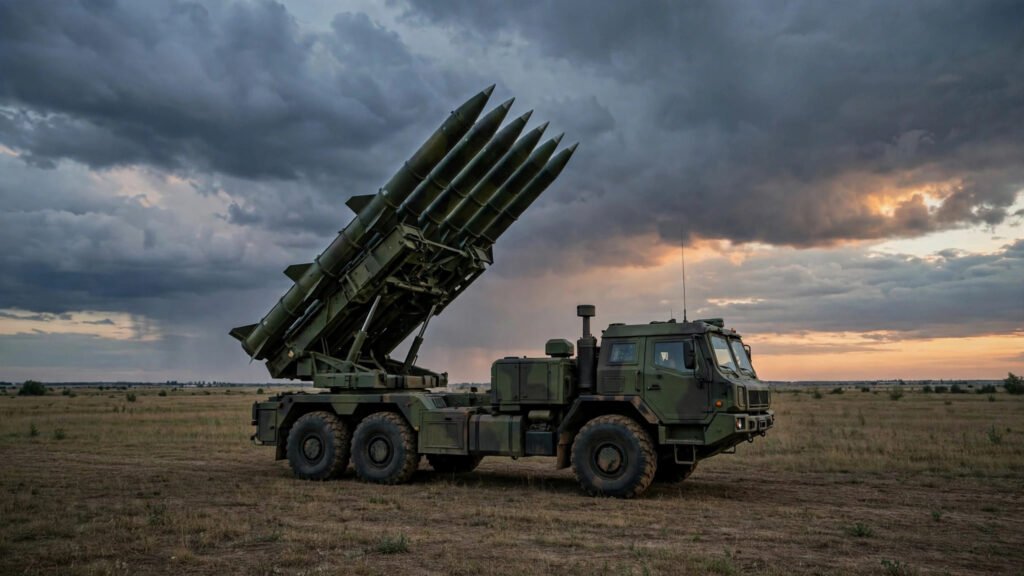
The United States has approved the sale of 500 Patriot air defence missiles to Ukraine in a deal worth an estimated $2.1 billion, the US State Department said on Friday, October 30. The approval, reported by Reuters, covers Patriot PAC-3 interceptors and was described as one of the most significant steps to supply defensive weapons to Kyiv since the start of the second Trump administration.
The missiles are intended to strengthen Ukraine’s defences against Russian aerial attacks, including ballistic missiles, as the country heads into another winter of war. But the announcement comes with a catch that Kyiv itself has highlighted: approval is not the same as delivery, and the interceptors are not yet built.
Key Takeaways
- The US State Department approved the sale of 500 Patriot PAC-3 missiles to Ukraine for an estimated $2.1 billion.
- Ukraine will pay with contributions from Canada, Germany and Norway routed through the US JUMPSTART programme, plus national funds financed by the European Union’s Ukraine Support Loan.
- The missiles are yet to be manufactured and are not expected to be delivered until a couple of years into the 2030s, according to people briefed on the decision.
What the $2.1 Billion Deal Covers
The approval covers Patriot Advanced Capability-3 Missile Segment Enhancement, or PAC-3 MSE, interceptors, which are designed to counter ballistic missiles and other aerial threats. Lockheed Martin is the principal contractor for the sale, according to the State Department announcement reported by Reuters.
Ukraine will pay for the interceptor missiles with contributions from Canada, Germany and Norway routed through a programme called US JUMPSTART, along with national funds financed by the European Union’s Ukraine Support Loan, the State Department said in a statement. The programme uses donations from allies to buy weapons, services and training for Ukraine to support its self-defence following Russia’s invasion, according to a Pentagon website cited in the reporting.
JUMPSTART has been used before. In August, the programme was used to buy 3,350 air-launched cruise missiles worth $825 million made by Zone 5 Technologies and CoAspire, Reuters reported. The Patriot deal is far larger in value, and it underlines how much of Ukraine’s air defence now depends on allied funding channels rather than on direct US stockpile transfers alone.
Approval is not the same as delivery, and that gap is now the centre of the story.
Why Delivery Could Take Years
Despite Ukraine’s urgency, it will likely not receive the missile interceptors quickly. Weapons sales typically take years to fulfil, and two people briefed on the US decision said the missiles, which are yet to be manufactured, are not expected to be delivered until a couple of years into the 2030s.
The proposed sale must also still undergo congressional review, and the US announcement did not provide a delivery timetable, according to further reporting on the deal. That leaves Kyiv facing a difficult winter with the weapons it already has, while a much larger defensive package remains on paper.
Ukrainian President Volodymyr Zelenskyy welcomed the State Department’s decision on Friday, but warned that the weapons may not arrive for several years, leaving Kyiv exposed to Russian ballistic missile attacks during the approaching winter. He urged Washington to find a way to supply the missiles immediately, suggesting that existing American and allied stockpiles be used while new production replenishes those inventories later. According to reporting on his remarks, he said Ukraine had asked its American partners for a winter support package at a rate of 100 Patriot interceptors per month.
The tension in the announcement is therefore clear. On one side, the scale of the approval signals continued American and allied commitment to Ukraine’s air defence. On the other, the production timeline means the deal does little, on its own, to change the air defence picture this winter.
What This Means for Ukraine’s Air Defence
Patriot systems are among the most capable air defence weapons in Ukraine’s arsenal, and interceptors are consumed quickly during heavy Russian missile and drone attacks. The strain on those stocks has been a recurring theme of the war, and it helps explain why Kyiv has pressed allies for faster deliveries even as new approvals are announced.
The deal also sits alongside other recent developments in the war. Ukraine recently paused strikes on Russian refineries amid pressure from Washington, a reminder that military decisions on both sides are closely tied to diplomacy. At the same time, allied support for Ukraine continues to take new forms, including the Canada-EU alliance agreed in Montreal, which includes a major support loan for Ukraine. And the human cost of Russian strikes remains stark, as shown by the drone strike on Dnipro train station that killed 13 people.
- 500 Patriot PAC-3 interceptors approved, worth an estimated $2.1 billion
- Lockheed Martin named as the principal contractor
- Paid for via allied contributions through US JUMPSTART and EU-backed national funds
- Missiles yet to be manufactured, with delivery not expected until the 2030s
- Zelenskyy welcomed the deal but pressed for immediate winter supplies
What to Watch Next
What to watch next is only what this article has already set out: whether Congress completes its review of the proposed sale without changes, whether Washington finds a way to supply interceptors from existing stockpiles for the winter as Zelenskyy has urged, and whether production timelines for the new missiles become clearer. Until then, the verified picture remains an approval worth $2.1 billion, 500 interceptors still to be built, and a Ukrainian government asking for faster help before winter sets in.