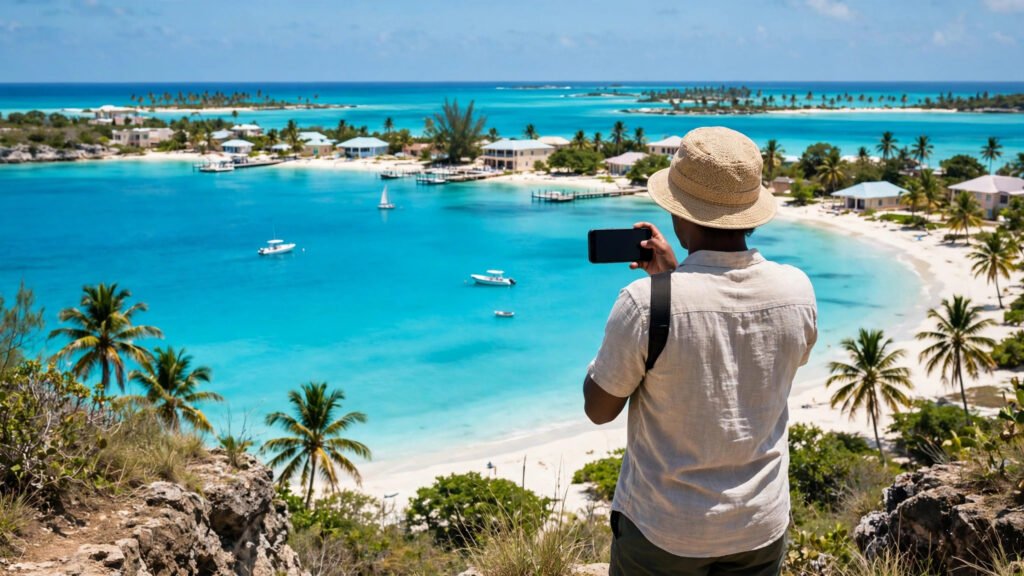
In the Turks and Caicos Islands, the phone is not just a way to keep in touch. For many islanders, it is the desk, the shopfront, the booking office and the noticeboard, all in one small device. That is why a visitor planning a holiday, a boat trip or a quiet week by the sea will often meet the islands first through a phone screen, long before stepping onto the sand.
The reason is practical. The Turks and Caicos Islands are made up of many islands and cays, and daily life is spread across the water. A person may live on one island, work on another, and welcome guests who arrive by air or by boat. In that kind of geography, a tool that travels in a pocket and works wherever there is a signal is more useful than a fixed office that a customer must travel to reach.
Tourism shapes much of this pattern. Visitors usually plan from far away, and they want quick answers: Is a room free? Can a boat be booked for a certain day? What time does a tour leave, and what should they bring? A phone lets a small host, a guide or a driver answer those questions without waiting for the next working day, and it lets the visitor compare options, check a location and confirm a plan while the idea is still fresh.
Key Takeaways
- Phones let Turks and Caicos Islanders run tourism bookings, messages and daily work across scattered islands.
- Small hosts, guides and drivers can answer visitors quickly without a fixed office.
- The phone also links island travel, weather checks, payments and family life in one place.
Why the Phone Fits Island Geography
Distance is the first explanation. When homes, workplaces, docks and guesthouses are separated by sea, moving around takes planning. A phone message can settle a pickup time, a change of plan or a delay in minutes, while a face-to-face visit would take far longer. That speed matters when a boat timetable, a flight arrival or a change in the weather can alter the day.
The second explanation is scale. Many tourism businesses in the islands are small. A guesthouse may have only a few rooms, a boat may carry only a small group, and a tour may be run by one guide or a small family team. A phone gives such a business a way to be found, to share photos of a place, to take a booking and to stay in touch with guests, without the cost and complexity of a large office or a large staff.
It also fits the way visitors travel now. People research trips on their phones, save places they want to visit, and message hosts directly. An islander who answers clearly and promptly on a phone is therefore part of the trip from the very first search, not only from the moment a guest arrives.
In that kind of geography, a tool that travels in a pocket and works wherever there is a signal is more useful than a fixed office that a customer must travel to reach.
How Tourism Work Happens on a Phone
For a small host, the phone often handles the whole journey of a booking. A guest sends a message, asks about dates and is shown what is available. Photos and short descriptions help the guest picture the room, the beach nearby or the view from a terrace. Once the guest confirms, the host can share directions, arrival details and house rules, and answer last-minute questions on the day of arrival.
For boat operators and guides, the phone is a working tool on the water as well as on land. It helps them confirm a group, share a meeting point, check conditions before departure and keep guests informed if a plan must change. A clear message can prevent a missed trip, a wasted journey to the dock or confusion about where to wait.
Drivers and local services use the phone in a similar way. A visitor who lands at an airport can confirm a pickup, share a flight detail and stay in contact if a flight is delayed. A restaurant or a small shop can share opening times, take an order or let a regular customer know what is available that day. None of this needs a large system. It needs a charged phone, a clear message and a reliable reply.
Islanders also use phones to show their work. A photo of a calm morning at sea, a freshly prepared meal or a quiet beach can tell a visitor more than a long description. Short videos and honest photos help small businesses stand out, because visitors often choose a place by how it feels, not only by how it is described.
Daily Life Beyond Tourism
The phone is not only for visitors. For islanders themselves, it links work, family and services across the islands. A parent can check on a child, a worker can confirm a shift, and a family member living abroad can stay close through calls and messages. When travel between islands takes time, the phone keeps everyday coordination simple.
It also helps with practical tasks. People check weather forecasts before a boat trip, look up ferry or flight information, pay for services where phone payments are accepted, and keep records of bookings and messages in one place. A phone can hold a calendar, a contact list, a set of photos and a trail of confirmations, which is useful when work is seasonal and plans change often.
This matters because island life is shaped by seasons. Busy visitor periods bring more bookings, more messages and more last-minute changes, while quieter periods are a time to repair, to plan and to prepare for the next season. A phone lets a small business adjust quickly in both kinds of season, taking bookings when demand is high and keeping in touch with past guests when it is low.
- Bookings, directions and arrival details are often handled by message.
- Boat trips and tours depend on quick updates about time, place and conditions.
- Photos and short messages help small businesses show what they offer.
- Phones also link family, work and island travel in everyday life.
What Visitors Notice
Visitors often notice how personal this system feels. Instead of dealing only with a large booking platform, they may message a real person who knows the island, the beach and the boat. That person can suggest a quiet time to visit a popular spot, warn about a rough sea day, or point a guest toward a local place to eat. That local knowledge is part of what makes a trip memorable.
At the same time, visitors benefit from being prepared. A guest who saves directions, meeting points and contact details on a phone is less likely to get lost or miss a trip. A guest who checks conditions before leaving for a boat trip is more likely to enjoy the day. The phone, in this sense, is useful on both sides of the conversation.
Other island destinations show a similar pattern. In Antigua, for example, many people book sailing tours from their phones, while in Saint Lucia phones support tourism work and daily jobs. In Saint Kitts and Nevis, phones link work, school and travel between islands. The Turks and Caicos Islands fit that wider island story, with tourism at its centre.
Challenges That Remain
Running so much life from a phone also brings challenges. A flat battery, a weak signal or a damaged device can disrupt a booking or a day of work. Small businesses must also balance being reachable with having time off, because a phone that is always on can make it hard to switch off after a long day.
There is also the question of trust. A visitor booking from far away wants to be sure that a place is real, that a trip will run as described and that a payment will be handled fairly. Clear photos, honest descriptions, prompt replies and consistent information help build that trust, one message at a time.
None of this replaces the islands themselves. The phone is a tool, not the destination. Visitors still come for clear water, quiet beaches, warm weather and the welcome they receive. The phone simply makes it easier to reach those things, to plan around them and to keep the human connection that island hospitality is known for.
What to Watch Next
What to watch next is how islanders keep balancing the phone with the personal welcome that draws visitors in the first place. Phones will likely remain the main way small tourism businesses take bookings, share updates and stay in touch across the islands. At the same time, clear messages, honest photos and reliable replies will remain the habits that turn a first booking into a returning guest. For the Turks and Caicos Islands, the phone is already part of daily life, and its role in tourism and island work looks set to stay central, as long as it keeps serving the people and places behind the screen.